Guest Contributor: Coach Alli Felsenthal
Speed Isn’t Just for Sprinters—It’s for Every Runner.
Many marathoners in training tend to neglect speed. But why? The long run, building training volume, both of which are important to success in the marathon distance, are imperative to training. But, it’s important not to neglect speed workouts for varied training, to prevent injuries and burnout, and to keep a touch of speedwork in the mix, while training your body to become more efficient while running at faster efforts (or paces).
This week, RunWithAlli Coaching Founder, Coach Alli shares her 5 favorite workouts to increase your speed—whether you’re training for a fall marathon, chasing a faster mile, or staying fit in the off-season.
Our Top 5 Speed-Boosting Workouts
Workout #1: Hill Sprints
Bursts of speed anywhere from 15-seconds to 90-seconds on a 5-8% graded hill (or steeper for a fun challenge!). Walk the downhill for the recovery between 5-8 reps, and apply progressive overload week after week to periodize your training. I like to include two building weeks, a peak week, and a down week every mesocycle (takes place every 4-6 weeks!).

Sample Workouts:
- 5–8 x 30s hill sprints (8% grade) w/ walk recovery
- 4 x 60s hill sprints (8% grade) w/ walk recovery.
Enter the total elevation plus total horizontal distance traveled in this calculator to estimate your grade for your hill to do your workout!
Pro Coaching Tip: Add hill sprints to the end of a Zone 2 run or VO₂ max workout 1–2x/week. Periodize with build, peak, and deload weeks every 4–6 weeks.
Workout #2: Shorter Intervals
Intervals working on your anaerobic speed (muscular endurance) use ATP (energy) without the presence of oxygen during quick fast intervals ranging from 200m intervals to 400meter intervals, based on how fast you run them.
Sample Workouts:
- 8 x 200m at mile effort w/ 400m jog recovery
- 6 x 300m at mile effort w/ 600m jog or walk recovery
Pro Coaching Tip: You can incorporate these workouts at the end of longer intervals (like VO2 max intervals), as a standalone workout, or at the end of a zone 2 run (almost like you would do with strides), 1-2x a week.
Workout #3: VO2 Repeats (Hill Repeats to make it spicy!)
Coach Alli’s favorite VO2 max workout might either be mile repeats OR 2-3 minutes running HARD uphill on a 5-8% graded hill. These workouts boost your aerobic engine, and improve aerobic power, running 95-100% of your max HR and should be incorporated for roughly 8 weeks before training a fraction of your VO2 max (your anaerobic threshold, and still keeping another second weekly workout at a high percentage of your VO2 max) if including 2 workouts a week.
Sample Workouts:
- 4 x 1-mile repeat w/ 1-min jog recovery
- 4 x 2.5-min hill repeats (5–8% grade) w/ jog down recovery

Pro Coaching Tip: VO₂ max intervals can also be worked into your long run—sandwich them between Z2 miles to simulate real-race surges. Try to stick to asphalt or concrete for these types of intervals to get the most out of them over trails, which can serve another purpose!
Workout #4: Running Technique + Strength (1×20 Method)
This is Coach Alli’s personal favorite! Focus on running as a skill! Strengthen the movement patterns you use while running.
3 Key Technique Drills:
- Ankle Extension (calf raises = better pushoff)
- Knee Drive (high knees/thigh lift)
- Pawback (hamstring pullback activation)
Pro Coaching Tip: Doing this will improve running economy (energy used while running) and running efficiency, leading to less energy used at faster paces. The Dr Yessis’ 1×20 method goes into depth on the WHY and the HOW to incorporate this into your training. Be sure to check it out.

Workout #5: Strides
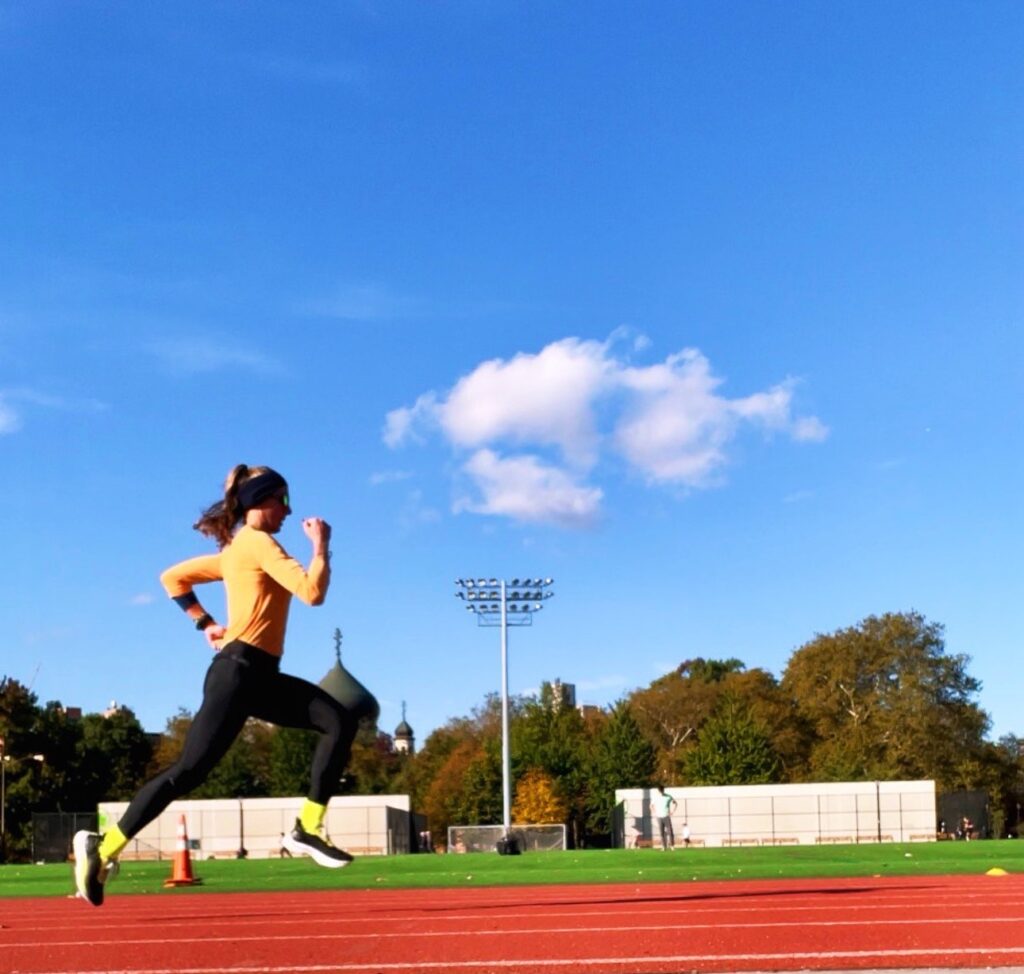
Throw in strides after the end of a Zone 2 run for the neuromuscular fitness benefits. Short accelerations (15–20 seconds) done at the end of easy runs promote turnover, form, and efficiency.
How-To:
- 3–5 x 20s strides w/ 60–90s standing recovery
- Gradually build speed through the stride—don’t blast off too fast!
Pro Coaching Tip: Incorporate strides at the end of Z2 runs (15-20-seconds long) to sneak in speed training, while shocking the system and simulating what it feels like to finish a race on tired legs. This teaches your body how to shift gears—and recover. It’s great to simulate the way you will feel after a race!
Speed Training Takeaways
- Consistency > perfect paces
- Speedwork doesn’t mean “all-out”—it means structured effort
- Always include recovery and strength work to maximize gains
Final Thoughts: Speed Comes with Structure
Speed isn’t just about running faster—it’s about training smarter. These five workouts will help you to elevate your running performance, improve your form under fatigue, and build the mental grit you need to hit that next PR!
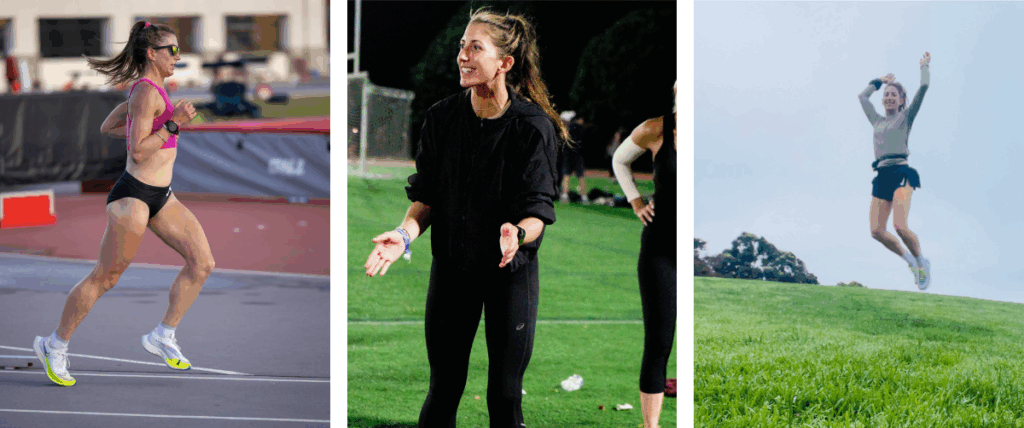
Ready to Run Faster?
- Apply now for 1:1 RunWithAlli Coaching
- Join our Group Mile to Marathon Coaching Community
We’ll help you integrate speed, strength, and recovery into one holistic plan designed for YOU!
- Subscribe to the RunWithAlli Newsletter for exclusive tips
- Follow @RunWithAlli on IG for daily training insights
Let’s unlock your next gear—together!